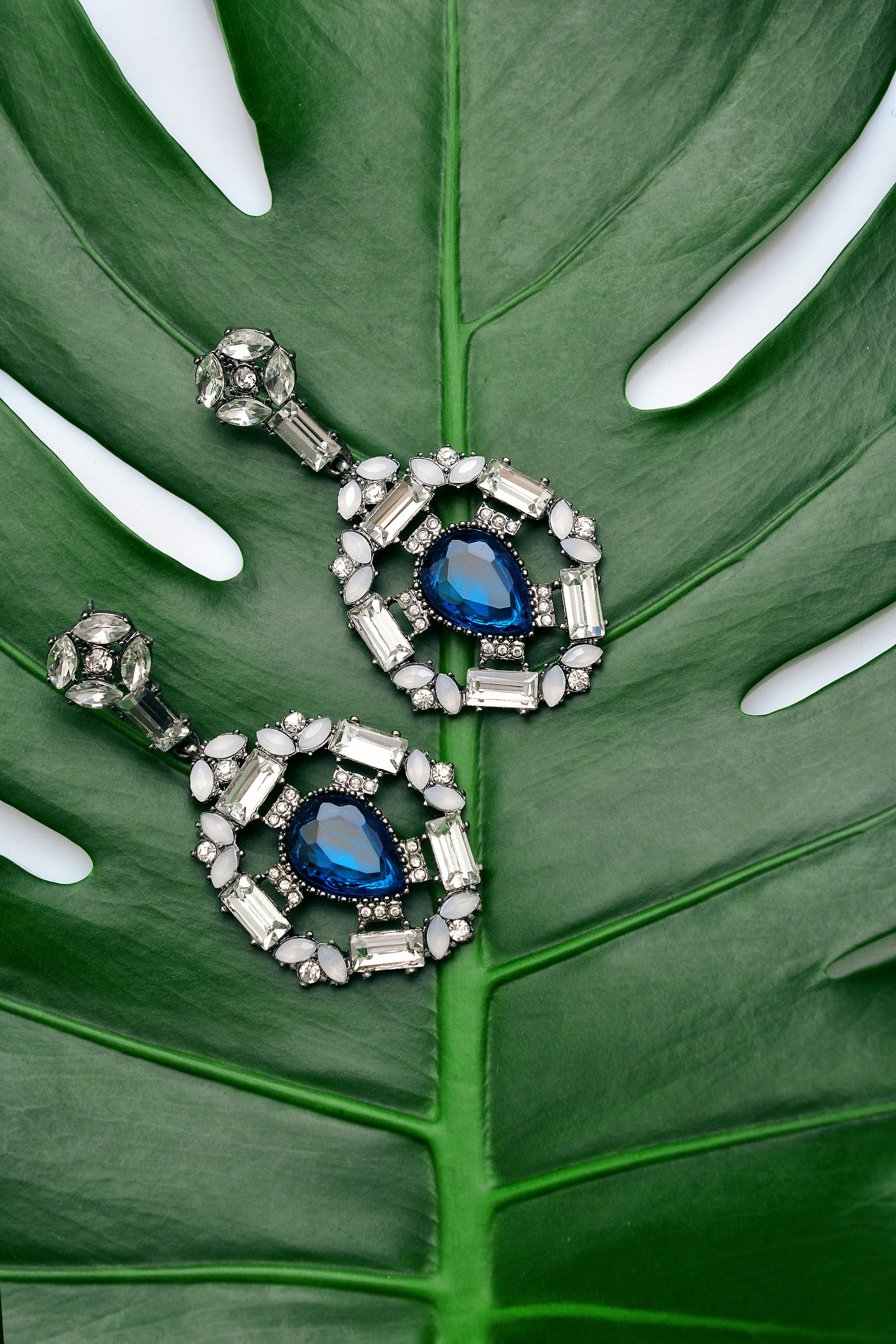

Sarah Mitchell
Contemporary jewelry blending traditional silversmithing with modern design
The Maker's Story
Silver has been calling to me since I first held a piece of Navajo jewelry as a child visiting Santa Fe with my family. The weight of it, the way light played across the hammered surface, the stories embedded in every mark—I was captivated. Years later, I returned to New Mexico to study traditional silversmithing techniques, and I've been here ever since.
My work bridges two worlds: the ancient techniques of metalsmithing passed down through generations of Southwestern artisans, and contemporary design sensibilities that speak to modern wearers. I use traditional tools—hammers, stakes, and torches—but my aesthetic is decidedly current. Clean lines, geometric forms, and unexpected combinations of materials create pieces that feel both timeless and fresh.
I work primarily in sterling silver, but I love incorporating other materials—natural gemstones, brass accents, copper details. Each material brings its own energy and character to the piece. I'm particularly drawn to stones with interesting inclusions or unusual colors, the ones that other jewelers might pass over. To me, these "imperfections" are what make each piece unique and alive.
The jewelry I create is meant to be worn, to become part of your daily life. I want my pieces to feel like old friends—comfortable, reliable, beautiful in their familiarity. Whether it's a simple silver cuff you wear every day or a statement necklace for special occasions, I hope my work brings you joy and confidence.
The Craft Process
Every piece begins with an idea, usually sketched quickly in my notebook. I keep these notebooks everywhere—in my studio, by my bedside, in my bag—because inspiration strikes at unexpected moments. Once I have a clear vision, I begin working with the metal.
For most pieces, I start with sheet silver or wire that I've purchased from reputable suppliers who source their materials ethically. The metal is annealed (heated to make it soft and workable), then shaped using a combination of techniques: sawing, filing, hammering, forming over stakes and mandrels.
Traditional silversmithing is largely a subtractive process—you remove material to create the form you want. This requires patience and precision. One wrong cut can ruin hours of work. But there's also an additive aspect: soldering pieces together, building up texture with hammers and stamps, adding bezels to hold stones.
If I'm incorporating gemstones, I cut the bezels (the metal frames that hold the stones) and solder them in place before setting the stones. Stone setting is one of my favorite parts of the process—it's where the piece truly comes alive, where color and light are added to the silver.
The final steps involve cleaning, polishing, and sometimes oxidizing (darkening) certain areas to create contrast and depth. Each piece is signed with my maker's mark, a small symbol that identifies it as my work. Then it's photographed, priced, and ready to find its new home.
Gallery