
Elena Rodriguez
Wheel-thrown functional pottery inspired by Pacific Northwest landscapes
The Maker's Story
My journey with clay began fifteen years ago in a small community studio in Portland. What started as a weekend hobby quickly became an all-consuming passion. I was drawn to the meditative quality of working at the wheel, the way each piece emerges from a simple lump of earth through patience and intention.
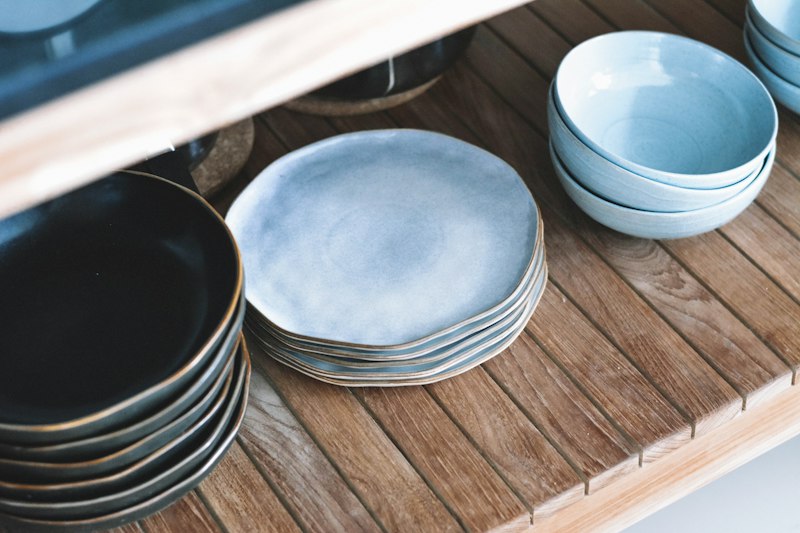
Growing up in the Pacific Northwest, I've always been surrounded by the raw beauty of nature—towering evergreens, misty mornings, and the ever-changing moods of the ocean. These elements deeply influence my work. The glazes I develop echo the colors of moss-covered forests, stormy skies, and the soft grays of river stones. Each piece carries a bit of this landscape within it.
My studio overlooks a small garden where I grow herbs and vegetables. This connection to the earth reminds me daily of the cyclical nature of creation—planting, tending, harvesting, and beginning again. It's the same rhythm I follow in my pottery practice. Every piece starts with raw clay, is shaped with intention, fired with hope, and emerges transformed.
I believe that handmade pottery brings warmth and meaning to everyday rituals. Whether it's your morning coffee in a favorite mug or a special meal served on plates made just for you, these objects become part of your story. They hold memories, mark celebrations, and provide comfort in their familiar weight and texture.
The Craft Process
Each piece begins on the pottery wheel, where I center the clay and slowly coax it into form. This process requires complete presence—the clay responds to the slightest shift in pressure or speed. I work primarily with stoneware clay, which is durable enough for daily use yet refined enough for elegant forms.
After throwing, pieces rest until they reach the leather-hard stage, perfect for trimming and adding handles or other details. This is where each piece truly comes to life, where I refine the curves and add those small touches that make it unique.
The first firing, called bisque firing, transforms the fragile dried clay into a porous ceramic that's ready for glazing. I've spent years developing my glaze recipes, testing countless combinations to achieve the colors and textures that speak to me. Many of my glazes contain local materials—ash from my wood stove, clay from nearby riverbanks—connecting each piece even more deeply to this place.
The final glaze firing reaches temperatures over 2300°F, fusing the glaze to the clay body and creating a permanent bond. Opening the kiln after this firing is always magical—seeing how the heat has transformed the glazes, sometimes in unexpected and beautiful ways.
Each piece is then carefully inspected, and only those that meet my standards make it to my shop. I believe in quality over quantity, and I stand behind every piece that bears my maker's mark.
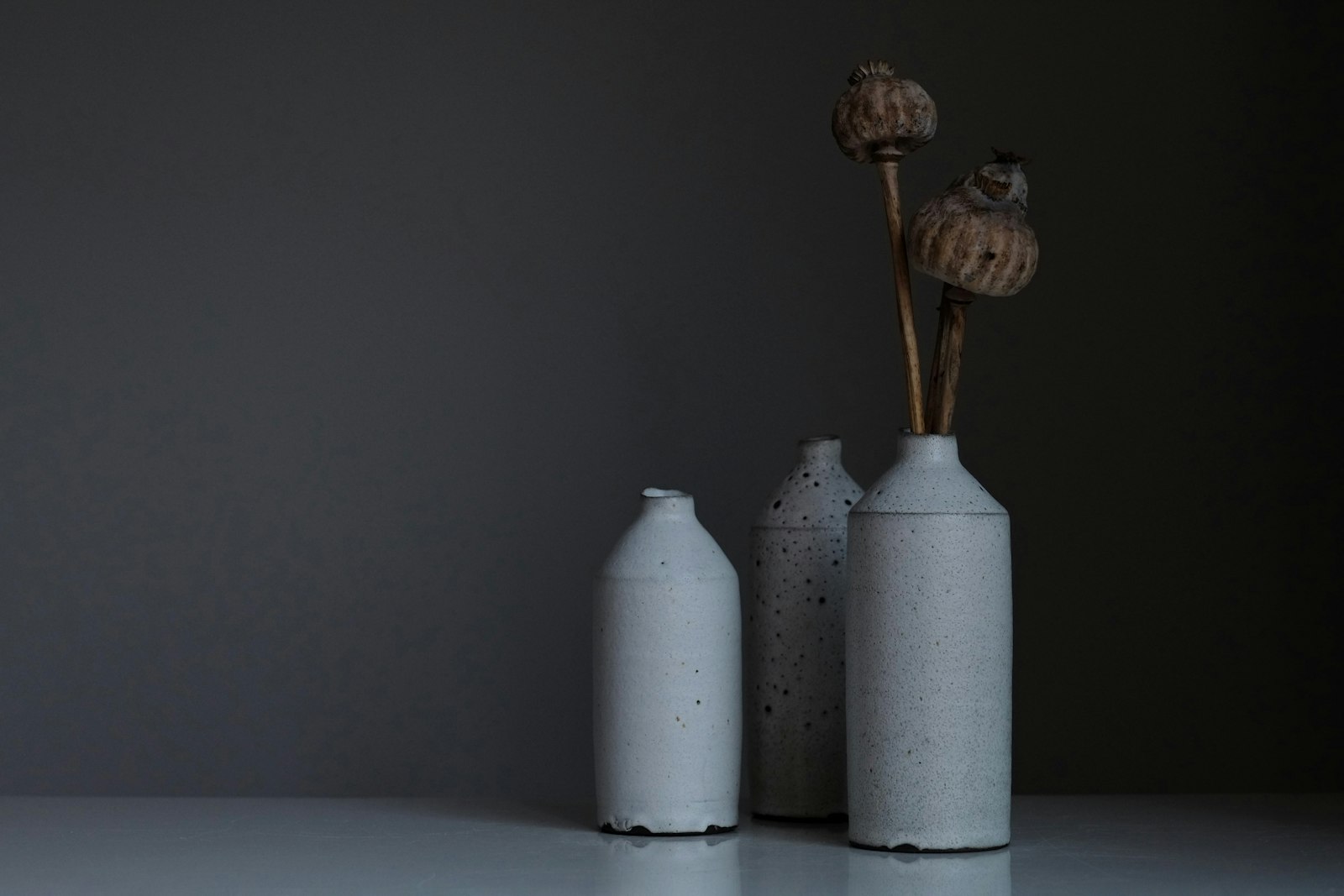
Gallery